In the heart of Israel’s most vibrant city, a silent epidemic is unfolding. While Tel Aviv’s beaches draw tourists and its tech scene attracts global talent, just blocks away, thousands are trapped in the desperate grip of addiction. The numbers tell a story of a city and a nation at a breaking point.
A Nation in Crisis
As of early 2026, over 15% of Israel’s adult population struggles with problematic substance or behavioral addiction, a staggering increase from pre 2022 levels. That translates to roughly 400,000 Israelis caught in cycles of heavy drug use, with Tel Aviv serving as ground zero for both high end cocaine consumption among the wealthy and survival based heroin addiction among the city’s most vulnerable.
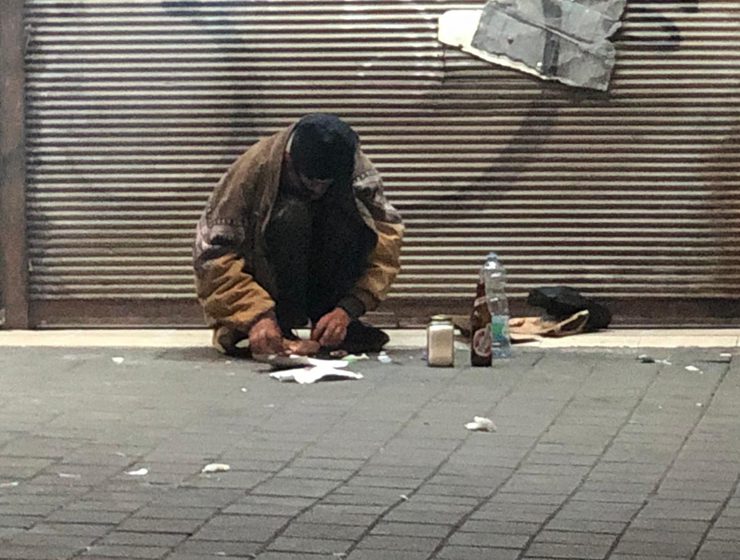
The area surrounding the Old Central Bus Station in South Tel Aviv has become the country’s largest open drug scene, where injection drug use happens in plain sight. Here, synthetic drugs like ‘Hagigat’ are injected by people with nowhere else to go, no hope left, and often no one who cares.
The Homeless Connection
Approximately one third of Israel’s homeless population lives in Tel Aviv. Among them, 39% identify themselves as addicts, and addiction is cited as the single most common cause of their homelessness (24%). These aren’t just statistics. They’re sons and daughters, fathers and mothers, people created in God’s image who’ve lost everything to the disease of addiction.
Walk through South Tel Aviv and you’ll see them: sleeping in doorways, huddled in abandoned buildings, wandering the streets with hollow eyes. Each one represents a family torn apart, potential destroyed, and a soul crying out for redemption.
What Are They Using?
The addiction landscape in Tel Aviv has evolved beyond traditional street drugs. Today’s crisis involves a deadly mix:
| Substance | National Rate | Tel Aviv Impact |
| Sedatives (Benzos) | 10.2% | High Xanax/Valium misuse |
| Opioids | 4.7% | Israel ranks #1 globally in per-capita prescription opioid use |
| Cocaine | Rising | Concentrated in middle and upper class circles |
| Cannabis | 11.5 to 12% | Most common illicit substance |
| Hagigat/Synthetics | Increasing | Injected openly at bus station area |
Notice that addiction in Tel Aviv cuts across all social classes. The wealthy businessman snorting cocaine in a high rise apartment and the homeless veteran shooting heroin under a bridge are both caught in the same death spiral, just with different addresses.
The War’s Devastating Impact
The October 7, 2023 attacks and subsequent war have accelerated this crisis dramatically. One in four Israelis reported increasing their drug or medication use following the outbreak of war. PTSD diagnoses have exploded by 307%, creating fertile ground for secondary addiction through self medication.
Trauma drives people to numb their pain. Soldiers returning from combat, families who lost loved ones, people who survived the attacks. Many are turning to substances to cope with nightmares they can’t escape. Without intervention, without hope, without the love of Christ reaching into their darkness, these temporary solutions become permanent chains.
A Hidden Epidemic
One of the most troubling aspects of this crisis is that we don’t even know its full extent. Israel has one of the lowest autopsy rates among developed nations due to religious and cultural restrictions. This means overdose deaths are massively underreported. The official numbers don’t capture the true scale of loss.
Consider this: fentanyl procurement in Israel rose 162% between 2015 and 2020. That’s before the recent surge. Experts warn that while Israel hasn’t reached US-level mortality rates yet, all the warning signs of a silent epidemic are present and growing.
Why This Ministry Matters More Than Ever
Against this backdrop of mounting crisis, ministries serving Tel Aviv’s addicted and homeless population aren’t just doing good work. They’re on the front lines of a spiritual and physical battle for thousands of souls.
Every meal served at a soup kitchen is a declaration that these lives matter. Every conversation, every prayer, every act of compassion chips away at the lie that addiction has the final word. When the government’s response is inadequate and families have given up hope, faith based ministries often provide the only lifeline people have.
The work is exhausting, heartbreaking, and often thankless. You serve someone for months, watching them make progress, only to find them back on the streets using again. But this is exactly the kind of relentless, sacrificial love that reflects the heart of Jesus. The One who pursued us while we were still lost, who didn’t give up on us when we failed Him repeatedly.
The Scope of Work Needed
With 400,000 Israelis struggling with heavy substance use, and Tel Aviv as the epicenter, the need far exceeds current capacity. We need:
More hands serving meals. The addicted and homeless need consistent access to food that comes with no strings attached, just genuine care.
More people willing to listen. Behind every addiction is a story of pain, trauma, and broken dreams. Sometimes the most powerful ministry is simply being present.
More connections to treatment. While spiritual transformation is essential, so is practical help navigating the rehab system, which is chronically underfunded and difficult to access.
More sustained funding. This work can’t be done on sporadic donations. It requires committed support to maintain consistent presence where people know they can find help.
More prayer warriors. Ultimately, this is a spiritual battle. Addiction is both disease and bondage, and breaking its chains requires the power of God moving in people’s lives.
A Call to Action
The crisis in Tel Aviv is not getting better. It’s accelerating. Every day without intervention is another day people sink deeper into hopelessness. Every week without sufficient ministry presence is another week where someone who might have been reached instead gives up completely.
But here’s the truth that keeps this work going: transformation is possible. Recovery happens. Lives are rebuilt. Families are restored. And when it does, it’s a testimony to the power of God working through ordinary people who refused to walk past someone in need.
The question isn’t whether the need exists. The data makes that undeniable. The question is whether we will respond with the urgency this moment demands. Will we commit our time and prayers to reach people who are dying in plain sight?
Jesus said, ‘It is not the healthy who need a doctor, but the sick. I have not come to call the righteous, but sinners’ (Mark 2:17). This is the heart of ministry to the addicted. They are exactly who Jesus came for.
He also said, ‘Truly I tell you, whatever you did for one of the least of these brothers and sisters of mine, you did for me’ (Matthew 25:40). In the streets of Tel Aviv, among the addicted and abandoned, Christ is present in the faces of those who’ve lost everything. How we respond to them is how we respond to Him.
We Need Your Prayers
This battle for souls is both physical and spiritual. We desperately need you standing with us in prayer:
For the addicted and homeless: Pray for chains of addiction to be broken, for hearts to open to the Gospel, and for divine appointments with believers who will point them to Jesus.
For the ministry workers: Pray for strength, wisdom, protection from burnout, and adequate resources to meet the growing need.
For breakthrough: Pray for powerful testimonies of transformation that demonstrate God’s reality and draw others to Christ.
For spiritual warfare: Pray against the forces keeping people bound and for the light of Christ to pierce the darkness over Tel Aviv.
The work is urgent. The need is massive. But the God we serve is bigger than any crisis.
Sources: Israel Center for Addiction and Mental Health (ICAMH), Taub Center for Social Policy Studies, Israeli Ministry of Health Annual Reports, Global Organized Crime Index (2025 and 2026)